
Computer Vision for Sports Analytics
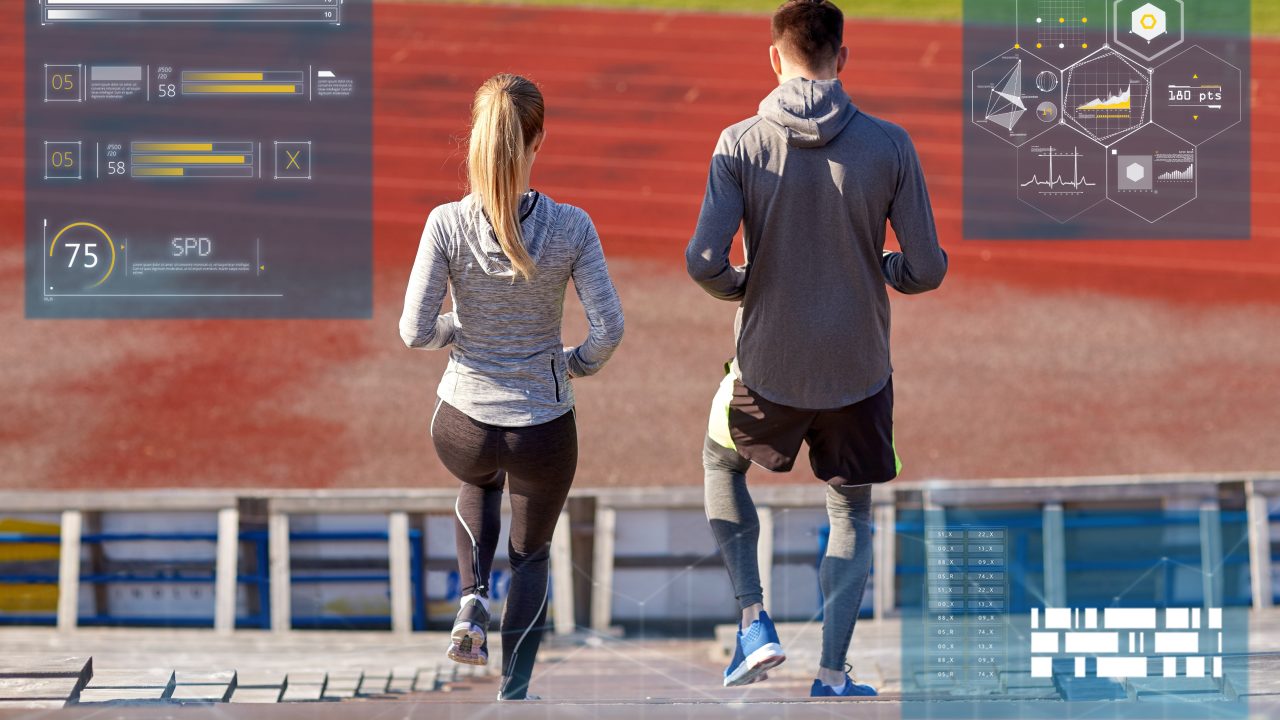
6,000+ hours of sports footage annotated at 98%+ accuracy for AI-driven performance analytics. A sports analytics company developing AI models for player detection, movement tracking and performance analysis required large-scale, frame-accurate annotation support across multiple sports datasets. Existing in-house and freelancer-led operations struggled to maintain consistency, scalability and cost efficiency across growing volumes of match footage.
Scalable sports video annotation workflows improved AI analytics accuracy, accelerated training cycles and reduced operational costs across multi-sport datasets significantly.
- 6,000+
- Video hours annotated
- 98%+
- Annotation accuracy maintained
- −70%
- Cost vs in-house operations
Challenge
Approach
Outcome
More from the field

Reliving History with Geospatial Intelligence
260 years of fragmented historical maps transformed into a georeferenced spatial database for anthropological and land-use analysis. A prominent US university needed to study the historical evolution of Uxeau, France, across multiple centuries of land ownership, taxation and agricultural activity. The research depended on digitising and harmonising vintage maps dating back to 1759 — each with different scales, formats and levels of degradation — into a single spatially accurate GIS environment suitable for comparative analysis. 260+ years of historical mapping digitised and layered. Lambert II precision georeferencing using Esri GIS tools. Multi-era land parcel and feature extraction delivered at scale.
"Historical GIS digitisation transformed fragmented archival maps into a searchable spatial database, accelerating anthropological research and long-term land-use analysis. "
AI-Powered CT Scan Annotation
30,000+ CT scans annotated at 98.9% segmentation accuracy for AI-driven radiology models. A US-based MedTech AI company developing radiology models for tumour detection and analysis required clinically precise annotation support to accelerate model training and validation. Existing workflows faced rising costs, limited access to qualified medical annotators and growing compliance pressure around handling sensitive patient imaging data.
HIPAA-compliant medical annotation workflows improved radiology AI accuracy, accelerated tumour detection model training and reduced operational costs significantly.
Mortgage Foreclosure Data Management
40%+ faster foreclosure data processing with 50% higher accuracy across multi-county property records. A US-based mortgage data company managing property intelligence across more than 155 million properties and 3,000+ counties required a scalable operational model for foreclosure data collection and processing. Their existing workflows relied heavily on manual back-office operations, creating delays, inconsistencies and rising operational overhead across fragmented government data sources.
Standardised foreclosure processing improved nationwide property data accuracy, reduced turnaround times and created a scalable mortgage intelligence operations framework.